Smart Maintenance Practices for Long Lasting Industrial Laundry Systems
The Backbone of Large Scale Laundry Operations
Industrial laundry systems play a crucial role in sectors where cleanliness, hygiene, and efficiency are non-negotiable. From hospitality facilities to healthcare environments and large commercial laundries, these machines operate for extended hours under demanding conditions. Their ability to perform consistently impacts daily workflows, customer satisfaction, and operational costs. As usage intensity increases, the focus naturally shifts from simple operation to durability, upkeep, and proactive maintenance strategies.
Unlike domestic machines, industrial systems are engineered for volume and speed. However, even the most robust equipment requires attention to continue performing at peak levels. This reality makes maintenance planning an essential part of managing any professional laundry setup.
Understanding Wear and Tear in Industrial Machines
Continuous operation exposes industrial washing machines to mechanical stress, heat fluctuations, and moisture. Over time, components such as seals, belts, valves, and bearings experience gradual wear. Ignoring early signs of deterioration can lead to sudden breakdowns, costly downtime, and disruptions to business operations. This is why experienced facility managers prioritize preventive care over reactive repairs.
Identifying reliable sources for replacement components becomes a strategic decision. Many businesses actively seek an industrial washing machine parts dealer to ensure they can quickly access compatible components when repairs are necessary. This proactive approach minimizes operational interruptions and protects the overall investment in machinery.
Preventive Maintenance as a Cost Saving Strategy
Preventive maintenance is not just about avoiding breakdowns; it is about optimizing performance and extending equipment lifespan. Regular inspections, timely adjustments, and component replacements help machines run smoothly and efficiently. When maintenance is planned and consistent, energy consumption remains stable, washing quality stays high, and unexpected repair expenses are significantly reduced.
Maintenance routines also promote workplace safety. Machines operating with worn or faulty components can pose risks to operators. By maintaining equipment proactively, businesses create safer working environments while preserving productivity.
The Practical Value of Maintenance Kits
One effective way to simplify upkeep is through the use of a well-organized laundry machine maintenance kit. Such kits typically include essential components and tools needed for routine servicing, allowing technicians to address minor issues before they escalate. Having necessary items readily available reduces delays and ensures maintenance tasks are performed correctly and efficiently.
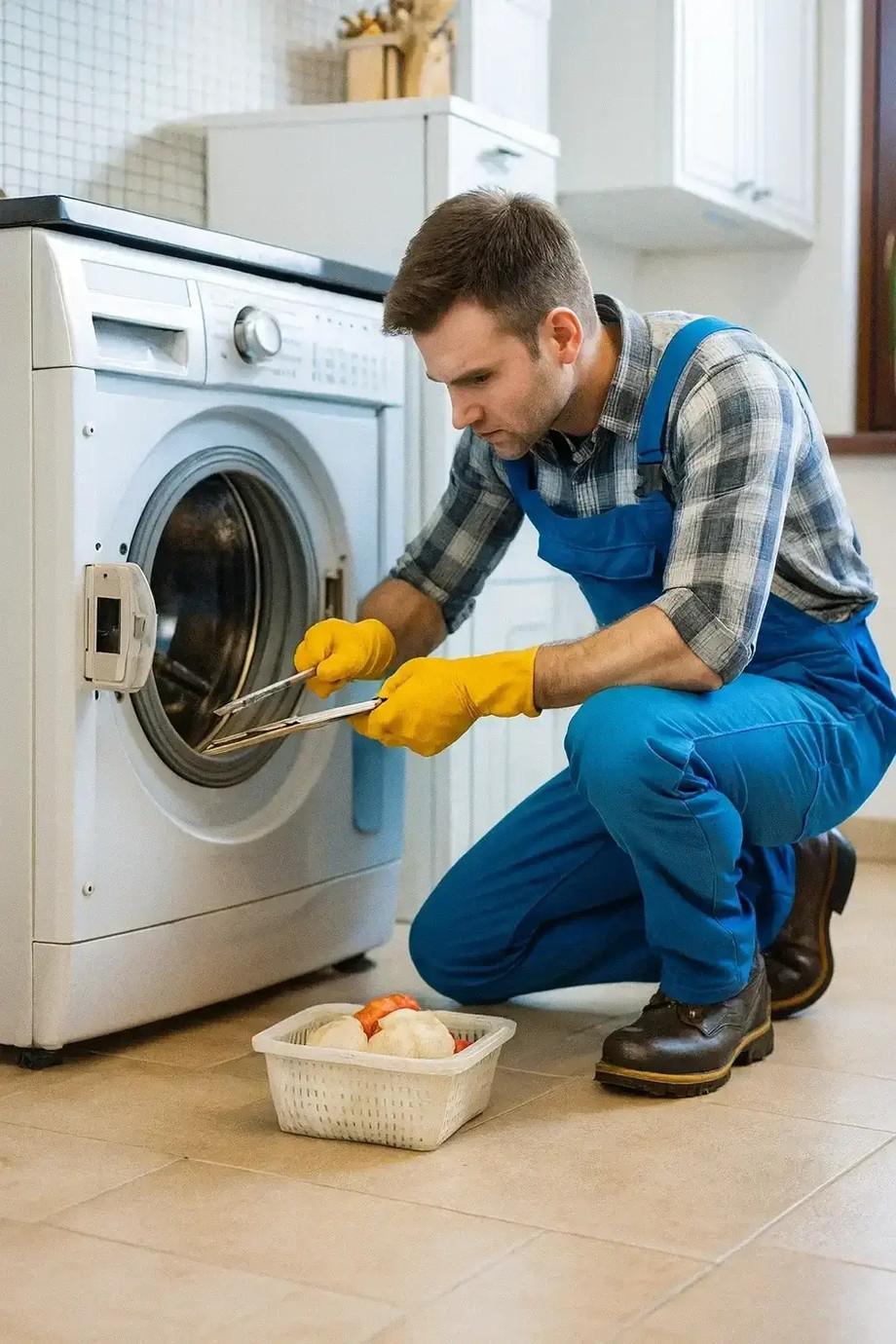
Maintenance kits also support standardization across operations. When teams follow consistent servicing practices using the same set of components, results become more predictable. This consistency improves machine reliability and makes it easier to train staff on proper maintenance procedures.
Efficiency, Sustainability, and Long Term Performance
Well-maintained industrial laundry machines contribute to broader sustainability goals. Efficient machines consume less water, electricity, and detergent, reducing environmental impact while lowering operating costs. Proper maintenance ensures that machines function as designed, avoiding energy losses caused by friction, leaks, or inefficient cycles.
Sustainability is increasingly important for businesses aiming to meet environmental standards and improve public perception. By maintaining machinery responsibly, organizations demonstrate commitment to resource conservation and operational excellence.
Building a Forward Thinking Maintenance Culture
The future of industrial laundry management lies in cultivating a maintenance-focused mindset. Rather than viewing servicing as an inconvenience, forward-thinking operators see it as an investment in reliability and growth. Scheduling regular checks, training staff, and sourcing quality components all contribute to a resilient laundry operation.
When maintenance becomes part of routine business planning, machines last longer, performance remains consistent, and operational stress is reduced. This approach transforms industrial laundry systems from potential liabilities into dependable assets that support long-term success. By prioritizing smart maintenance practices today, businesses ensure smoother operations and stronger performance well into the future.


Comments
Post a Comment